In the fast-paced world of competitive online slot titles, understanding RTP percentages can give players a powerful edge. RTP, or Return to Player, is one of the most important metrics in modern slot gaming. Whether you are new to digital reels or looking to refine your strategy, learning how RTP works can enhance both confidence and enjoyment.
What Is RTP (Return to Player)?
RTP stands for Return to Player. It represents the percentage of total wagered money that a slot game is programmed to pay back to players over time.
For example:
- A slot with 96% RTP is designed to return $96 for every $100 wagered (over the long run).
- The remaining percentage contributes to operational costs and prize pools.
It is important to understand that RTP is calculated across thousands or even millions of spins, not individual sessions. Short-term outcomes can vary, but long-term patterns align with the stated percentage.
Why RTP Matters in Competitive Slot Titles
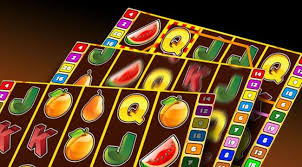
Competitive dewa 787 online slot environments are designed to reward strategic thinking, smart bankroll management, and game awareness. RTP plays a central role in this ecosystem.
Here’s why RTP is valuable:
- Improves informed decision-making
- Supports better bankroll planning
- Helps compare different slot titles
- Encourages strategic play over random selection
Players who understand RTP often feel more in control of their gaming experience, which enhances engagement and long-term satisfaction.
High RTP vs. Lower RTP Slots
Not all slot titles are created equal. Competitive players often analyze RTP before choosing a game.
High RTP Slots (96% and above)
Benefits include:
- Higher theoretical long-term returns
- More player-friendly payout structures
- Greater consistency over extended sessions
Moderate RTP Slots (94%–95%)
These may offer:
- Larger bonus features
- Higher volatility gameplay
- Bigger potential peak wins
Both types can be exciting your choice depends on your preferred playing style and goals.
RTP vs. Volatility: Understanding the Difference
Many players confuse RTP with volatility, but they are distinct concepts.
- RTP = Long-term payout percentage
- Volatility = Frequency and size of wins
A high RTP slot can still have high volatility, meaning wins may be less frequent but potentially larger. Competitive players often look for a balance that matches their risk tolerance and strategy.
How to Use RTP Strategically
If you are playing in competitive online environments, consider these practical tips:
- Review the game’s RTP before starting
- Align volatility with your bankroll size
- Track session performance for awareness
- Play longer sessions when possible to align closer with theoretical returns
- Focus on titles that match your comfort level and goals
Knowledge transforms gameplay from random spinning into a more structured and engaging experience.
The Positive Side of RTP Awareness
Understanding RTP does not remove the excitement it enhances it. When players know how games function behind the scenes, they:
- Make more confident decisions
- Feel empowered in competitive settings
- Enjoy a more strategic experience
- Appreciate the mathematics behind modern slot design
Competitive online slot titles combine entertainment, design innovation, and probability theory. RTP is the bridge that connects them all.
By learning how RTP percentages work, you elevate your approach from casual play to informed participation making every spin feel purposeful and rewarding.
Comments are closed, but trackbacks and pingbacks are open.